Books and Plants Watercolor Clipart: A Designer’s Real-World Embroidery Review
First Impressions: Soft, Artistic, and Versatile
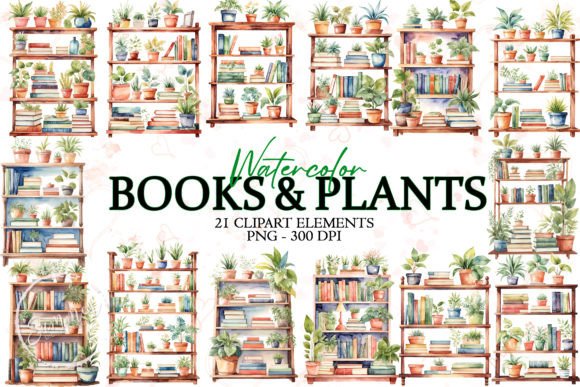
Opening the Books and Plants Watercolor Clipart set, I immediately noticed the soft, hand-painted aesthetic. It’s got that gentle, whimsical charm that works well for a variety of handmade and personalized products. The watercolor style gives it a painterly feel—less rigid than vector illustrations, more organic than line art. It’s the kind of design that feels like it belongs in a cozy home, a thoughtful gift, or a boutique item meant to stand out with a personal touch.
Visual Personality: Perfect for Lifestyle and Literary Themes
The theme is a blend of botanical and literary elements—books, plants, vines, and subtle brushstrokes. This makes it ideal for lifestyle embroidery, especially in nursery decor, baby clothes, or boutique tote bags. The layout feels balanced without being too busy, and the level of detail is just right—not too dense for small hoop sizes, yet rich enough to catch the eye on larger items like pillow covers or aprons.
Real-World Use: From Tote Bags to Baby Clothes
I tested the design on a custom embroidered tote bag first. The watercolor textures translated well into satin and fill stitches, especially with a subtle gradient thread palette. It gave the tote a boutique-level finish without looking overly complex. Then I stitched it onto a baby onesie—small hoop, soft cotton fabric. The design held up beautifully, with the botanical elements reading clearly even at a reduced size.
For a small business client, I used the clipart in a series of personalized sweatshirts for a local book club. The result was elegant and understated. The softness of the watercolor style gave it a more mature, refined look compared to bolder clipart sets, which made it perfect for an adult audience.
Where It Shines: Custom Apparel and Home Decor
This design works exceptionally well on custom apparel, especially in light-colored fabrics where the watercolor tones can breathe. It also adapts nicely to home decor items like pillow covers and tea towels. For Etsy sellers or craft business owners, it’s a strong asset for creating cohesive product lines that feel handmade and artistic.
When used in holiday embroidery—say, a personalized kitchen towel with a plant and book motif—it adds a subtle seasonal flair without being too literal. For wedding gifts or graduation presents, pairing it with monogrammed initials elevates the sentiment without overwhelming the design.
Caution Zones: Fabric and Fit Matter
While the Books and Plants Watercolor Clipart is versatile, it’s not a one-size-fits-all solution. On dark fabrics, the lighter watercolor washes tend to get lost unless you adjust thread colors or add a white underlay. I also noticed that on stretchy fabrics like knits, the finer details can blur slightly during stitching unless you use proper stabilizers and adjust tension settings.
Small hoop sizes require some trimming of the design to maintain clarity. The more intricate corners and leaf edges can get lost if scaled down too much. And on curved surfaces like caps, the softness of the watercolor strokes can distort slightly, so it’s worth testing on a mock-up before committing to production.
Stitching Clarity and Visual Appeal
From a technical standpoint, the stitch density seems well-balanced. There’s enough coverage to maintain the watercolor texture without being overly heavy. The satin and fill stitches are clean, and transitions between thread colors are smooth. However, I recommend checking the thread color contrast carefully—especially if you're adapting the design for black and white mockups or using it across multiple fabric tones.
Visually, this design elevates the perceived value of any handmade product. It reads as more artistic and intentional than standard clipart, which helps build customer trust and brand consistency, especially for digital product sellers or printable mockup creators.
Practical Notes for Embroidery Designers
- Test on scrap fabric before stitching on your final product.
- Check thread color contrast against light and dark backgrounds.
- Adjust stitch density if using on textured or stretchy fabrics.
- Confirm hoop size compatibility with your machine before stitching.
- Inspect small details like leaf veins or book spines to ensure clarity after stitching.
- Test the design in black and white mockups to see how it reads without color.
- Use proper stabilizer to prevent distortion on soft or stretchy materials.
- Verify licensing if you plan to sell finished products or include the design in digital embroidery files.
Who Should Use This Design?
This is a strong choice for small shop owners, crafters, and creative entrepreneurs who want to add a soft, artistic touch to their personalized gifts or custom apparel. It’s especially well-suited for those selling on Etsy, at craft fairs, or through boutique-style branding. The Illustrations category placement makes sense—it’s more of a visual asset than a technical embroidery pattern, which gives it flexibility across different project types.
Final Thoughts: A Thoughtful Design with Broad Appeal
Overall, the Books and Plants Watercolor Clipart is a well-crafted, versatile design that brings a touch of elegance to any embroidery project. Whether you're making a holiday gift, a personalized sweatshirt, or a commercial embroidery piece for a client, this design adds a layer of sophistication without complicating the stitching process.
As a designer, I appreciate how it balances artistry with practicality. It’s not just a pretty image—it’s a functional, adaptable asset that can enhance your digital product offerings or handmade shop inventory. Just make sure to test it thoroughly, adjust for your fabric and hoop size, and keep your thread choices thoughtful to get the most out of this lovely design.