Watercolor Herbs and Spices Illustrations for Branding
Evaluating Organic Texture for Artisan Food Identity
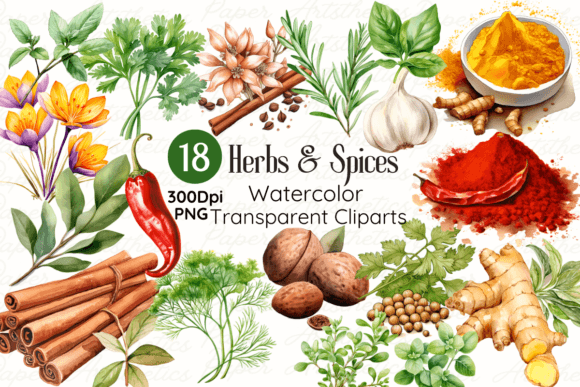
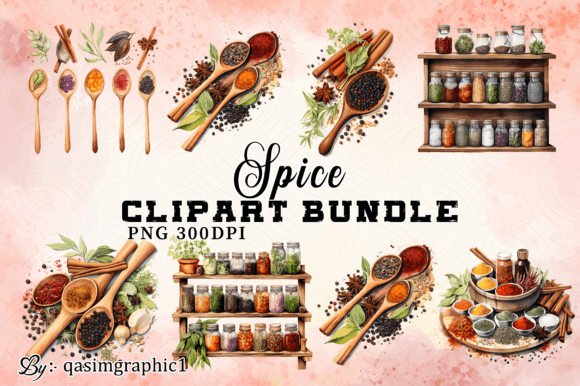
When I first opened the Watercolor Herbs and Spices Clipart PNG files for a recent local business rebrand, my immediate focus was on the authenticity of the brushwork. For a client launching an artisanal spice blend and herbal tea line, generic vector art simply does not convey the necessary tactile quality. These illustrations immediately suggested a brand personality that is earthy, handcrafted, and transparent. The soft edges and natural color bleeding inherent in this graphic design asset communicate "small batch" far better than crisp, digital lines ever could. For small business branding, particularly in the food and wellness sectors, this level of organic texture establishes an emotional connection before the customer even reads the product name. It feels premium yet accessible, striking that difficult balance between boutique elegance and farmhouse warmth.
Strategic Application Across Packaging and Labels
In professional branding, versatility is non-negotiable. I evaluated this clipart specifically for its utility across physical touchpoints. For product label design, these watercolor elements serve as excellent visual anchors without overwhelming critical information. During our packaging design phase, we utilized individual sprigs of rosemary and thyme as subtle corner accents on kraft paper pouches. Because the PNG design features clean transparency, layering over textured backgrounds was seamless. This is vital for handmade business owners who often use uncoated, recycled materials. The illustrations provided enough visual interest to create shelf appeal while leaving ample negative space for ingredient lists and regulatory text. Unlike bold, solid graphics, the watercolor style allows the eye to rest, maintaining a clear visual hierarchy essential for retail environments.
Enhancing Digital Presence and Marketing Visuals
Beyond physical goods, this asset proved invaluable for social media graphics and web design. When creating Instagram templates for the client, I used larger botanical compositions as frame borders for recipe reels and promotional announcements. The softness of the watercolor herbs adds a layer of sophistication to digital marketing visuals that flat colors lack. For email newsletters and website banners, these illustrations break up text-heavy sections, guiding the reader’s eye naturally through the content. As a digital product, the resolution held up beautifully on high-DPI screens, ensuring the brand identity remained consistent from the physical jar to the mobile feed. This consistency builds trust; customers recognize the specific artistic style across all platforms, reinforcing brand recall.
Where Botanical Clipart Elevates Local Business Presentation
Through testing, I identified specific areas where the Watercolor Herbs and Spices Clipart PNG performs exceptionally well:
- Product Mockups: Before printing, placing these assets on 3D renders helped visualize the final shelf presence accurately.
- Thank-You Cards and Inserts: Adding a faint watermark of lavender or basil to printable design inserts elevates the unboxing experience.
- Seasonal Campaigns: The natural subject matter transitions effortlessly between spring freshness and autumn warmth with simple color grading adjustments.
- Menu Design: For cafes and bistros, using these illustrations as section dividers creates a cohesive editorial design aesthetic.
- Sticker and Hang Tag Design: Die-cut stickers featuring isolated herb illustrations add perceived value to basic packaging.
These applications demonstrate how a single set of design assets can unify disparate marketing channels under one recognizable visual language.
Navigating Limitations in Commercial Design
However, experienced designers know that no asset is universal. There are contexts where this specific illustration style requires caution. In formal corporate branding or luxury minimalist identities, watercolor can sometimes read as too casual or imprecise if not balanced with strong typography. I would advise against using these detailed botanicals in very small sizes, such as on tiny vial labels or intricate legal disclaimers; the delicate details will muddy when printed at scale. Furthermore, in crowded packaging layouts, adding more organic shapes can compete with necessary text. Always prioritize readability. If your background is already low-contrast or busy, these soft-edged illustrations may disappear. They work best when given room to breathe, acting as supportive accents rather than primary focal points in dense information architecture.
Essential Pre-Launch Checks for Creative Entrepreneurs
Before integrating the Watercolor Herbs and Spices Clipart PNG into any commercial project, rigorous testing is mandatory. My checklist for validating this asset included:
- Print Quality Verification: Always print a test swatch at actual size. Screen brightness deceives; ensure the ink density is sufficient on your chosen substrate.
- Typography Pairing: Test the clipart beside serif, sans-serif, script, and display fonts. Watercolor herbs typically pair beautifully with classic serifs for tradition or clean sans-serifs for modern contrast, but can clash with overly ornate scripts.
- Monochrome Testing: Check how the illustrations reproduce in black and white. Ensure they remain recognizable for receipts, thermal labels, or embossing plates.
- Competitor Analysis: Compare your usage against local competitors. If everyone uses similar stock botanicals, consider adjusting opacity or color grading to differentiate your brand identity.
- Licensing Confirmation: Verify the commercial license terms explicitly. Ensure you have rights for physical product sales, not just digital use, especially if sourcing from a creative marketplace.
- Editability Assessment: While PNGs are convenient, check if SVG design files are available for infinite scalability on large format signage or vehicle wraps.
Building Trust Through Intentional Visual Choices
Ultimately, the value of the Watercolor Herbs and Spices Clipart PNG lies in its ability to humanize a brand. For local businesses competing against mass-produced alternatives, these illustrations signal care, origin, and quality. They transform a simple container into a storytelling vessel. Whether used in a Canva template for quick social posts or professionally typeset on custom packaging, the key is intentionality. Do not use them merely as decoration; use them as strategic tools to guide attention, evoke sensory memories, and reinforce your unique market position. When applied with this level of professional scrutiny, this graphic design asset becomes more than just pretty pictures—it becomes a foundational element of a successful, trustworthy small business brand.