Watercolor Parrot Illustrations: A Designer’s Honest Review for Real Client Projects
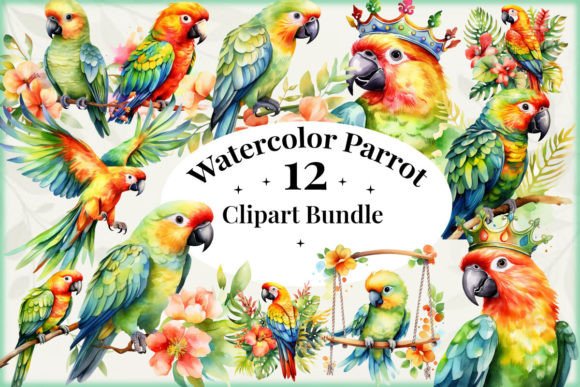
When I first opened the Watercolor Parrot Sublimation Clipart pack, I was immediately struck by its soft, painterly textures and vibrant yet organic color palette. As a designer who regularly works with small businesses, handmade brands, and Etsy sellers, I’m always on the lookout for design assets that feel both expressive and adaptable. These illustrations definitely fit that bill — they’re not just decorative elements, they’re mood-setters.
The watercolor style brings a sense of warmth and approachability, making them ideal for projects that aim to feel handcrafted, whimsical, or eco-conscious. The parrot designs are detailed without being overly complex, which means they can hold their own in both print and digital formats. They’re clearly created with creative design and digital product sellers in mind — especially those building printable designs, packaging design concepts, or social media graphics for niche markets.
How Watercolor Parrot Sublimation Clipart Performs in Real Design Scenarios
Let’s get practical: I recently worked on a visual concept for a new line of organic skincare products. The brand needed a nature-inspired, calming aesthetic that would appeal to eco-conscious consumers. I dropped one of the parrot illustrations into the packaging mockup and was surprised at how well it balanced sophistication with a hand-painted charm.
- Logo design: While the parrot isn’t a logo-ready asset on its own, it can work beautifully as a supporting graphic in a brand identity system.
- Product labels: Paired with a clean sans serif font, the parrot illustrations added a unique visual anchor without overwhelming the layout.
- Social media graphics: I used them as hero graphics in Instagram posts and Pinterest pins — they helped increase engagement by making the visuals feel more artistic and less stock-photo generic.
- Printable wall art: These clipart designs are perfect for digital sellers offering printable art or themed décor kits.
Where Watercolor Parrot Sublimation Clipart Works Best
These illustrations shine when given room to breathe. They’re especially effective in:
- Large layout areas — such as posters, digital banners, and packaging wraps.
- Themed collections — ideal for seasonal campaigns, boutique product lines, or creative marketplace bundles.
- Pinterest pins and Canva templates — where a touch of organic texture elevates the overall design.
- Sticker design and Cricut projects — the watercolor edges look great when cut into vinyl or printed on sticker sheets.
Where to Use with Caution
Despite their charm, these illustrations aren’t universally applicable. I found that they can become visually muddy in:
- Small sizes — the watercolor textures get lost at thumbnail scale.
- Crowded layouts — they tend to compete with other visual elements rather than complement them.
- Minimalist branding — if the client’s style is ultra-clean or modern, these might feel out of place.
- Professional corporate materials — unless the brand tone is intentionally playful or creative.
Design Impact: Readability, Hierarchy, and Brand Consistency
One thing I always test with any clipart or illustration is how it affects readability and visual hierarchy. When placed behind text or alongside other design elements, the Watercolor Parrot Sublimation Clipart can add visual interest — but only if used thoughtfully.
In a recent packaging design mockup, I layered the parrot beneath a white text overlay. The result? The watercolor texture actually enhanced the legibility by providing subtle contrast without overpowering the message. That said, in a digital ad or social post with multiple calls to action, it’s best to keep the illustration as a background or accent element rather than a focal point.
From a brand consistency standpoint, these illustrations work best when integrated into a broader visual system. If you’re building a brand identity or marketing visuals around a nature-inspired theme, these parrots can help reinforce the emotional appeal and audience engagement of the design. Just make sure to use them consistently across touchpoints to build recognition and visual trust.
Practical Designer Notes Before Using
Before committing to using this graphic design asset in a client project, I always run a few quick tests:
- Test in black and white — does the illustration still work if color is removed?
- Check contrast on light and dark backgrounds — some of the softer watercolor strokes can fade on busy or dark tones.
- Preview at multiple sizes — ensure it’s still legible and visually appealing on both large posters and small stickers.
- Place on real mockups — see how it looks on product mockups like mugs, tote bags, or t-shirts.
- Test print quality — especially if it’s going into print-on-demand or packaging design.
- Review file formats — if you need scalability, make sure the SVG design is clean and editable.
- Inspect PNG transparency — important for overlaying on different backgrounds without harsh edges.
- Compare with typography — try pairing with a script font for a handcrafted feel or a sans serif font for modern contrast.
- Confirm commercial licensing — never skip this step, especially when designing for a small business branding project or Etsy product.
Final Verdict: A Valuable Addition to Your Creative Toolkit
Overall, the Watercolor Parrot Sublimation Clipart is a strong choice for designers working with clients in the handmade business, creative marketplace, or lifestyle branding space. It adds a personal, artistic touch that helps elevate everything from packaging design to social media graphics. It’s not a one-size-fits-all solution, but when used intentionally, it can make a design feel more polished, expressive, and emotionally engaging.
If you’re building a design bundle for seasonal campaigns, looking to refresh a small business branding project, or creating Canva templates for digital sellers, these illustrations are definitely worth a closer look. Just remember to test thoroughly, use them strategically, and always double-check licensing before delivering the final design to your client.